


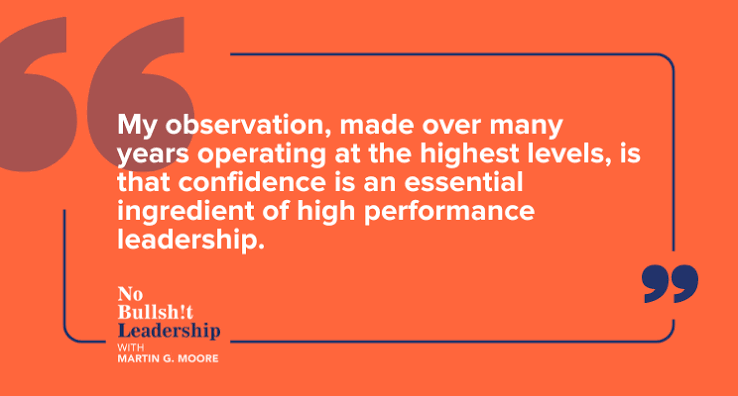
Leadership confidence is one of the most important qualities a business professional can possess. It influences how leaders communicate, make decisions, inspire teams, and navigate challenges. Confident leaders create trust, motivate employees, and guide organizations toward success. However, confidence is not something people are simply born with. It is a skill that can be developed through experience, learning, and intentional effort.
In today’s competitive business environment, strong leadership is more valuable than ever. Whether managing a startup, leading a growing company, or exploring international opportunities such as Hong Kong company registration, leadership confidence plays a critical role in achieving long term success. Leaders who believe in their abilities are better equipped to handle uncertainty, adapt to change, and make decisions that drive growth.
Understanding how to build and maintain leadership confidence can help entrepreneurs and business professionals unlock their full potential and create lasting positive impacts within their organizations.
Understanding Leadership Confidence
Leadership confidence refers to a leader’s belief in their ability to guide others, make effective decisions, and achieve organizational goals. It is not about arrogance or pretending to know everything. Instead, it involves trusting one’s judgment while remaining open to learning and improvement.
Confident leaders communicate clearly, remain composed during challenges, and inspire confidence in others. Their belief in their abilities often encourages employees, customers, investors, and stakeholders to trust their leadership.
A lack of confidence can create hesitation, uncertainty, and missed opportunities. Leaders who constantly doubt themselves may struggle to make decisions or effectively manage teams. Developing confidence helps eliminate these obstacles and enables leaders to perform at their best.
Build Strong Knowledge and Expertise
One of the most effective ways to develop leadership confidence is through knowledge and expertise. Confidence naturally increases when leaders understand their industry, business operations, and market environment.
Continuous learning plays a significant role in building this foundation. Reading industry publications, attending professional events, participating in training programs, and staying informed about market trends can strengthen a leader’s understanding and decision making capabilities.
When leaders possess strong knowledge, they are better prepared to answer questions, solve problems, and make informed decisions. This preparation reduces uncertainty and increases confidence in professional situations.
Expertise also helps leaders earn credibility among employees and stakeholders, further reinforcing their confidence and effectiveness.
Set Clear Goals and Objectives
Confidence often grows when leaders have a clear sense of direction. Setting specific goals helps create focus and provides measurable indicators of progress.
Leaders who establish realistic objectives can track achievements and recognize their growth over time. Each accomplishment contributes to greater self confidence and reinforces the belief that success is achievable.
Clear goals also improve decision making by providing a framework for evaluating opportunities and challenges. When leaders understand what they want to achieve, they can make choices with greater certainty and conviction.
Regularly reviewing goals and celebrating milestones can further strengthen confidence and motivation.
Develop Effective Communication Skills
Communication is a fundamental aspect of leadership. Confident leaders are able to express ideas clearly, listen actively, and engage with diverse audiences.
Improving communication skills requires practice and self awareness. Leaders should focus on delivering messages with clarity and confidence while remaining approachable and respectful.
Public speaking is another valuable skill that contributes to leadership confidence. Presenting ideas in meetings, conferences, and team discussions can initially feel intimidating, but repeated practice helps build comfort and self assurance.
Strong communication enables leaders to inspire trust, resolve conflicts, and create alignment within their organizations.
Embrace Challenges and New Experiences
Growth often occurs outside of one’s comfort zone. Leaders who consistently avoid challenges may struggle to develop confidence because they miss opportunities to expand their capabilities.
Taking on new responsibilities, managing complex projects, and addressing difficult situations can strengthen leadership skills and increase confidence. Each challenge successfully navigated becomes evidence of a leader’s ability to handle future obstacles.
Even when outcomes are not perfect, valuable lessons can be gained from the experience. Leaders who view challenges as learning opportunities are more likely to develop resilience and self confidence.
The willingness to embrace uncertainty and take calculated risks is often a defining characteristic of confident leaders.
Learn from Mistakes
Every leader makes mistakes. What separates successful leaders from others is their ability to learn and grow from those experiences.
Fear of failure can undermine confidence if mistakes are viewed as personal shortcomings. Instead, leaders should recognize that setbacks are a natural part of professional development.
Analyzing mistakes objectively helps identify areas for improvement and prevents similar issues in the future. This process transforms failures into valuable learning experiences.
Leaders who accept responsibility for mistakes and focus on solutions demonstrate maturity, integrity, and confidence. Employees often respect leaders who acknowledge challenges honestly and work toward improvement.
Build Strong Relationships
Leadership confidence is strengthened through positive relationships with employees, mentors, peers, and industry professionals.
Supportive relationships provide valuable feedback, encouragement, and guidance. Trusted colleagues can offer different perspectives that help leaders navigate complex situations more effectively.
Networking also exposes leaders to new ideas and experiences. Engaging with successful professionals can provide inspiration and practical insights that contribute to personal growth.
Mentorship is particularly beneficial for developing confidence. Experienced mentors can share lessons learned, provide advice, and help leaders recognize their strengths and potential.
Strong relationships create a support system that reinforces confidence and professional development.
Practice Decision Making
Decision making is a core leadership responsibility. Confidence in leadership often depends on the ability to make timely and informed decisions.
Leaders can strengthen this skill by practicing structured decision making processes. Gathering information, evaluating alternatives, assessing risks, and considering potential outcomes can improve decision quality.
As leaders gain experience making decisions, their confidence naturally increases. Even when outcomes are uncertain, having a systematic approach provides reassurance and clarity.
Confidence grows through action. Leaders who consistently make decisions and learn from the results become more comfortable handling complex situations over time.
Maintain a Positive Mindset
Mindset plays a powerful role in leadership confidence. Negative self talk and excessive self criticism can undermine confidence and limit performance.
Successful leaders focus on their strengths while remaining committed to improvement. They view challenges as opportunities rather than threats and maintain optimism even during difficult periods.
Developing a positive mindset requires conscious effort. Practicing gratitude, focusing on achievements, and reframing setbacks as learning experiences can help strengthen self confidence.
A positive outlook not only benefits leaders personally but also influences team morale and organizational culture.
Invest in Continuous Learning
The business environment is constantly changing. Leaders who commit to continuous learning are better equipped to adapt and maintain confidence in their abilities.
Learning opportunities can include professional certifications, leadership development programs, industry conferences, online courses, and business literature. Each new skill or insight contributes to greater competence and confidence.
Continuous learning also helps leaders stay informed about emerging trends and best practices. This knowledge enables them to make better decisions and lead more effectively.
Entrepreneurs exploring opportunities such as Hong Kong company registration can particularly benefit from ongoing education. Understanding international markets, regulatory requirements, and business environments helps leaders approach expansion decisions with greater confidence.
Lead with Authenticity
Authenticity is an essential component of leadership confidence. Leaders do not need to imitate others or project perfection to be effective. Genuine confidence comes from understanding one’s values, strengths, and leadership style.
Authentic leaders communicate honestly, act consistently, and remain true to their principles. This transparency builds trust and credibility within organizations.
Employees are more likely to follow leaders who demonstrate authenticity because they appear approachable and trustworthy. Confidence grounded in authenticity is often more sustainable than confidence based solely on external achievements.
Leaders who embrace their unique qualities can lead more effectively and inspire greater loyalty among their teams.
Conclusion
Leadership confidence is a critical factor in business success. It influences decision making, communication, team performance, and organizational growth. While confidence may not develop overnight, it can be strengthened through intentional effort and continuous improvement.
By building expertise, setting clear goals, improving communication skills, embracing challenges, learning from mistakes, developing strong relationships, practicing decision making, maintaining a positive mindset, investing in learning, and leading authentically, individuals can become more confident and effective leaders.
Whether managing daily operations, leading organizational change, or pursuing growth opportunities such as Hong Kong company registration, confident leadership provides a strong foundation for long term success. Leaders who continuously invest in their personal and professional development are better prepared to inspire others, overcome challenges, and achieve meaningful results.
FAQs
What is leadership confidence?
Leadership confidence is the belief in one’s ability to guide teams, make decisions, solve problems, and achieve organizational goals effectively.
Why is leadership confidence important?
Leadership confidence helps leaders communicate effectively, inspire trust, make informed decisions, and navigate challenges with greater resilience.
Can leadership confidence be developed?
Yes. Leadership confidence is a skill that can be developed through experience, learning, practice, and continuous self improvement.
How does knowledge contribute to confidence?
Knowledge increases competence and understanding, allowing leaders to make informed decisions and approach challenges with greater certainty.
What role does communication play in leadership confidence?
Strong communication skills help leaders express ideas clearly, build trust, resolve conflicts, and inspire confidence in others.
How can leaders overcome fear of failure?
Leaders can overcome fear of failure by viewing mistakes as learning opportunities and focusing on growth rather than perfection.
Why is continuous learning important for leaders?
Continuous learning helps leaders stay informed, adapt to change, improve skills, and maintain confidence in a rapidly evolving business environment.
How can Hong Kong company registration support entrepreneurial growth?
Hong Kong company registration provides access to an internationally respected business environment, global market opportunities, and a strategic location for expansion, making it an attractive option for entrepreneurs seeking growth and long term success.
