


Introduction
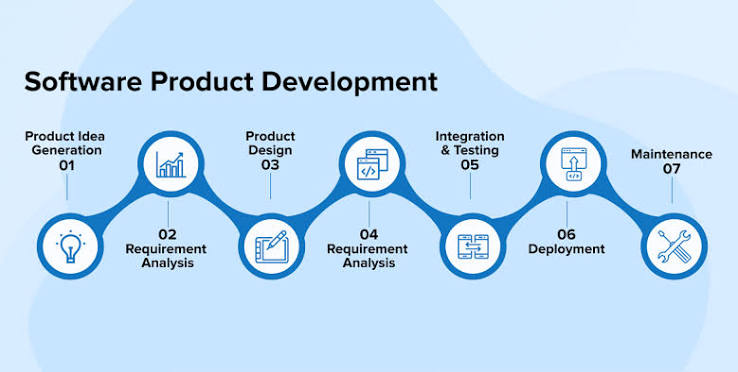
Building a successful software business takes much more than writing code. Every software product needs a clear strategy, reliable technology, and a strong launch process to achieve long-term growth. This is why every company must understand how to deploy product solutions in the right way. A well-planned deployment helps reduce risks, improve customer satisfaction, and prepare a product for future scaling. Whether you are launching a new SaaS platform or improving an existing application, following a structured deployment process creates a stronger foundation for success.
For innovative companies like SaaS Software Core, deploying software is more than a technical milestone. It is a complete business strategy that combines enterprise-grade engineering, secure cloud infrastructure, compliance, funding, and go-to-market planning. Instead of simply releasing software, the goal is to build scalable SaaS products that meet customer needs while supporting rapid business growth. By using proven development frameworks, validation processes, and modern cloud architecture, founders can launch with confidence and reach the market faster.
Why Strategic Planning Matters Before You Deploy Product
Every successful software deployment starts with detailed planning. Before any code reaches production, businesses should validate the product idea, understand their target audience, and define measurable business goals. Skipping this stage often leads to costly mistakes, delayed releases, and products that fail to solve real customer problems. Planning also allows development teams to identify technical requirements, estimate resources, and create realistic timelines.
A venture studio model adds even greater value during this phase by combining technical expertise with business strategy. Instead of building software through trial and error, founders benefit from experienced engineering teams, market validation methods, and scalable infrastructure planning. When organizations carefully prepare before they deploy product solutions, they reduce development risks and improve their chances of creating enterprise-ready software that attracts customers and investors alike.
Building a Strong Technical Foundation
A reliable technical foundation is essential for every modern SaaS platform. Software must be designed with scalability, performance, and security in mind from the beginning. Choosing the right cloud infrastructure, database architecture, APIs, and development frameworks ensures that the product can support increasing customer demand without sacrificing performance. Strong engineering practices also make future feature updates easier and less expensive.
SaaS businesses that prioritize technical excellence often reach the market faster while maintaining higher product quality. Multi-tenant cloud architecture, automated testing, continuous integration, and continuous deployment all contribute to smoother software releases. When organizations deploy product updates using reliable engineering standards, they minimize downtime, improve stability, and provide customers with a seamless experience that encourages long-term retention.
Prioritizing Security and Compliance During Deployment
Security should never be treated as an afterthought. Modern businesses handle sensitive customer information, making cybersecurity and compliance critical parts of every deployment strategy. Organizations must implement secure authentication, data encryption, access controls, regular security testing, and continuous monitoring to protect both their customers and their reputation. A secure platform builds trust and reduces operational risks.
Compliance is equally important, especially for SaaS companies serving enterprise clients. Standards such as GDPR and SOC 2 demonstrate that a company follows recognized security and privacy practices. Integrating compliance requirements into the software development lifecycle makes deployments more efficient and avoids expensive changes later. When businesses deploy product releases with built-in security and compliance, they strengthen customer confidence while opening opportunities to serve larger enterprise markets.
Accelerating Growth with Scalable Infrastructure and Go-to-Market Strategy
Deploying software successfully involves much more than publishing an application online. Companies also need scalable infrastructure that supports growth as customer demand increases. Cloud-native environments, automated resource management, performance monitoring, and disaster recovery planning help maintain service reliability even during periods of rapid expansion. A scalable platform allows businesses to focus on innovation instead of constantly fixing infrastructure problems.
An effective go-to-market strategy is equally important. Successful SaaS companies combine product launches with customer acquisition campaigns, search engine optimization, content marketing, and sales enablement. Enterprise-focused growth playbooks help founders identify ideal customers, improve lead generation, and increase recurring revenue. When organizations deploy product solutions alongside a structured marketing strategy, they create stronger visibility, faster customer adoption, and sustainable business growth.
Leveraging Expert Teams and Continuous Improvement
Software deployment does not end after launch. Continuous improvement is necessary to keep products competitive and aligned with changing customer expectations. Monitoring user behavior, collecting customer feedback, analyzing performance metrics, and releasing regular updates help businesses refine their products over time. Continuous delivery allows development teams to introduce improvements quickly without disrupting the customer experience.
Working with experienced software engineers, cloud architects, product strategists, and growth specialists significantly increases the chances of long-term success. Dedicated technical teams reduce execution risks while allowing founders to focus on innovation and customer relationships. Organizations that consistently deploy product enhancements through structured development processes build stronger software ecosystems, improve customer satisfaction, and establish a competitive advantage in the SaaS marketplace.
The Value of an End-to-End SaaS Venture Studio
Launching a successful SaaS company requires expertise across multiple disciplines, including software engineering, cloud infrastructure, cybersecurity, compliance, funding, marketing, and business strategy. Many founders possess innovative ideas but lack the resources needed to transform those ideas into scalable businesses. An end-to-end venture studio bridges this gap by providing technical execution, strategic guidance, institutional support, and proven growth systems under one unified framework.
SaaS Software Core represents this modern approach by helping founders build, fund, and scale enterprise-grade software companies with greater speed and confidence. Through validated engineering methodologies, secure multi-tenant cloud architecture, enterprise compliance readiness, advanced SEO deployment, strategic funding opportunities, and high-velocity go-to-market frameworks, startups gain access to the tools needed for sustainable growth. When businesses choose to deploy product solutions using a complete venture-building ecosystem, they reduce uncertainty, shorten time-to-market, and create software businesses that are prepared for long-term success.
Conclusion
Successfully learning how to deploy product solutions requires much more than completing software development. It demands strategic planning, enterprise-grade engineering, secure infrastructure, compliance, scalable cloud architecture, and a clear growth strategy. Every stage of deployment contributes to the long-term stability, performance, and profitability of a SaaS business. Companies that invest in these foundational elements are better equipped to serve customers, adapt to market changes, and scale with confidence.
For founders looking to transform software ideas into thriving SaaS companies, partnering with an experienced venture studio provides a significant competitive advantage. By combining technical excellence, institutional support, proven deployment methodologies, and market-focused growth strategies, businesses can launch faster while minimizing risk. A thoughtful approach to deploy product initiatives not only strengthens software quality but also creates the foundation for lasting innovation, customer trust, and sustainable business success.
